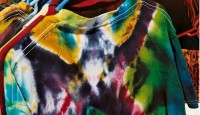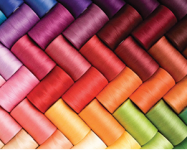
Digital Textile Printing Delivers The Ability To Print Designs On Fabric, Directly From A PC Or Mac. Inkjet Printing Is Done On Fabric In The Same Manner As It's Done On Paper, And Just As Easily. Printed Textiles Can Be Used For A Vast Range Of Applications Including Flags And Banners, Exhibition Signage, Clothing Etc.
Digital Textile Printing Is A Process Of Printing On Garments And Textiles Using Specialized Or Modified Inkjet Technology. The Two Key Requirements Of A Digital Textile Printer Are A Transport Mechanism For The Garment And Special Inks That Are Applied To The Textile Directly To Be Absorbed By The Fibers.
For Example, Digital Printing Is The Fastest Growing System Of All Textile Printing Processes. Between 2000 And 2005, The Output Of Digital Printed Textiles Increased By 300%.
The Development Of Textile Specific Ink Chemistry Is An Ongoing Effort In The Area Of Digital Textile Printing. Jetable Inks Must Be Highly Purified In Order To Reliably Run Through The Sensitive Inkjet Nozzles. Ink Sets That Are Currently Available Are Based On Traditional Printing Chemistry And Acid Dyes, Reactive Dyes, Disperse Dyes And Pigments.
In Essence, The Purpose Of Digital Textile Printing Is To Apply Color And Pattern Onto Fabric. Thus The Development Of Colorant Chemistry Is A Primary Area Of Focus Within The Scope Of Overall System Design. For Companies Developing Colorants For Inkjet Printing, A Number Of Factors Are Taken Into Account. First And Foremost, The Colorant Must Be formulated For Compatibility With The Inkjet Print Head To Support Reliable Jetting. The Resulting Formulation Must Also Be Chemically Stable For A Period Of Shipping, Storage And Operation. Additionally, Individual Colorants Within The Set Are Selected For Optimization Of Color Space; Ease Of Formulation, Color Fastness Characteristics, And For Compliance With Standard And Regulation Governing Chemical Use For Textile Products.
Digital Printing Normally Involves The Creation Of Ink Drops From A Master Color Set. This Strategy Is Referred To As Process Color Printing And Is Fundamentally Different Than The Spot Color Approach Used Within Conventional Textile Printing Methods. Cyan, Magenta, Yellow And Black From The Foundation Of The Process Color Set. For Textile Applications, Developers Have Expanded The Printable Color Space Or Gamut Through The Addition Of Hues Such As Orange, Red, Green, Blue Or Violet. In Some Instances, Vendors Have Also Developed Colorant Sets That Include Dilutions Such As Light Cyan, Light Magenta And/or Light Black (grey). These Colors Have Been Added To Support Smoother Tones And Lighter Shades. However Over Recent Years, The Advent Of Variable Drop Size Printing Has Reduced The Need To Include Dilutions In The Master Color Set.
As In The Conventional Printing Environment, The Ink Chemistry Must Be Matched With The Appropriate Fiber Type To Ensure Permanent Color Fixation. The Selections Of Colorants Vailable Make It Possible To Print A Wide Variety Of Fiber Types:
Acid Dyes – Silk, Nylon And Wool Reactive Dyes – Cotton, Rayon, Linen And Silk Disperse Dyes – Polyester Pigments – Not Fiber Specific, Often Used For Cotton And Blends
Color Fixation
Most Print System Requires Post-processing To Enable The Fixation Processing To Occur. While Dye Basedprinting Systems All Involve Penetration Of The Fiber, Pigment Printing Involves Adhesion Of The Color To The Fiber Via A Binder.
Reactive & Acid Dyes – Normally Require Color Fixation In The Presence Of Steam At Atmospheric Conditions. Reactive Dyes Typically Require Less Than 15 Minutes Of Steaming, While Acid Dyes Normally Require At Least 30 Minutes Of Steaming.
How To Print Cmyk On A Textile Gallery !!
Test The Ink To Determine If It Is Pigment Ink Or Dye-based Ink. Check The Manual Or Place A Bit Of Yellow Ink On Glass. If The Ink Is Vibrant And Not Opaque, It Is Pigment Ink